Cluster Pay Systems Redefining Jackpot Mechanics Across Mobile Slot Platforms
Written by Lars Meier · Oct 5, 2026
Cluster Pay Systems Redefining Jackpot Mechanics Across Mobile Slot Platforms
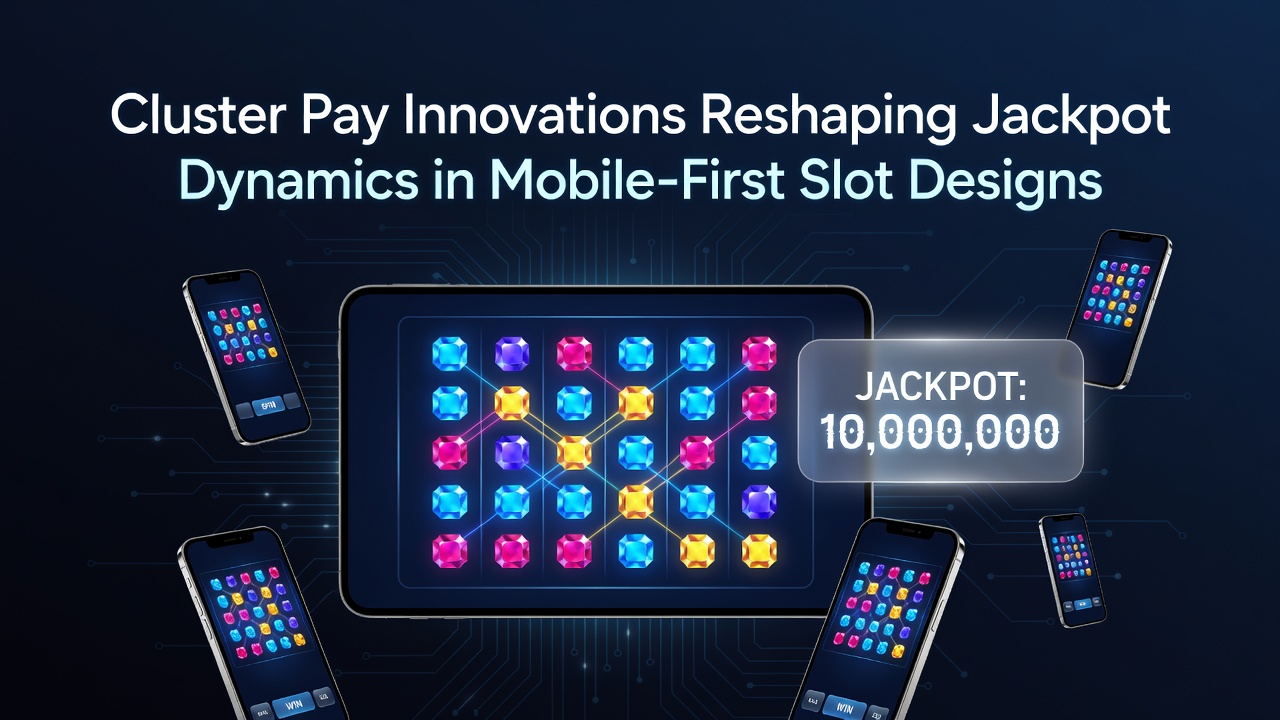
Cluster pay mechanics have shifted how developers structure jackpot triggers in mobile-first slot designs, moving away from traditional payline requirements toward grouped symbol formations that activate prizes on smaller screens. Developers integrate these systems into titles where symbols must connect horizontally or vertically in groups of five or more, and this approach opens pathways for progressive jackpots to build through repeated cluster formations rather than fixed line matches. Data from industry reports shows cluster-based games accounted for over 35 percent of new mobile slot releases in the first half of 2026, reflecting a clear industry pivot toward touch-optimized interfaces.
Mechanics Behind Cluster Formation and Prize Scaling
Cluster pays replace static paylines with dynamic adjacency rules, so wins occur whenever matching symbols gather in connected blocks, and jackpot contributions often scale with cluster size. Larger clusters feed into multiplier ladders or direct jackpot entries, while smaller groupings accumulate meter progress. Observers note that mobile hardware limitations on screen real estate make these adjacency systems more practical than sprawling line-based reels, because players tap to spin and clusters register instantly without requiring precise alignment. Research from the University of Nevada, Las Vegas gaming studies program indicates cluster mechanics reduce average spin duration by 12 percent on smartphones compared with legacy formats, allowing more frequent jackpot pool contributions per session.
Progressive Jackpot Integration in Cluster Environments
Progressive jackpots in cluster pay slots accumulate through every qualifying cluster rather than per-line bets, creating faster meter growth on mobile platforms where session lengths tend to run shorter. Developers link multiple titles across operators so that a single large cluster anywhere in the network can push the shared prize higher, and this interconnected model gained traction after several studios launched cross-game jackpot pools in early 2026. Figures from the American Gaming Association reveal that cluster-linked progressives generated 28 percent more total contributions than line-based equivalents during the third quarter of 2026. Mobile-first designs further embed collection meters directly into cluster grids, letting players track progress toward bonus rounds or jackpot qualifiers without leaving the main reel view.
Mobile Interface Advantages Driving Adoption
Touch controls allow players to hold and drag symbols in certain cluster titles, influencing minor reel adjustments before the spin resolves, and this interactivity boosts engagement metrics according to platform analytics shared by developers. Smaller devices benefit because clusters expand naturally across the screen without needing multiple rows of payline indicators, reducing visual clutter. In October 2026 several studios released updated versions of flagship cluster titles that added haptic feedback when clusters reached jackpot thresholds, further tailoring the experience to mobile users who expect immediate sensory responses. Industry organizations such as the American Gaming Association have documented how these interface tweaks correlate with higher retention rates across Android and iOS casino apps.
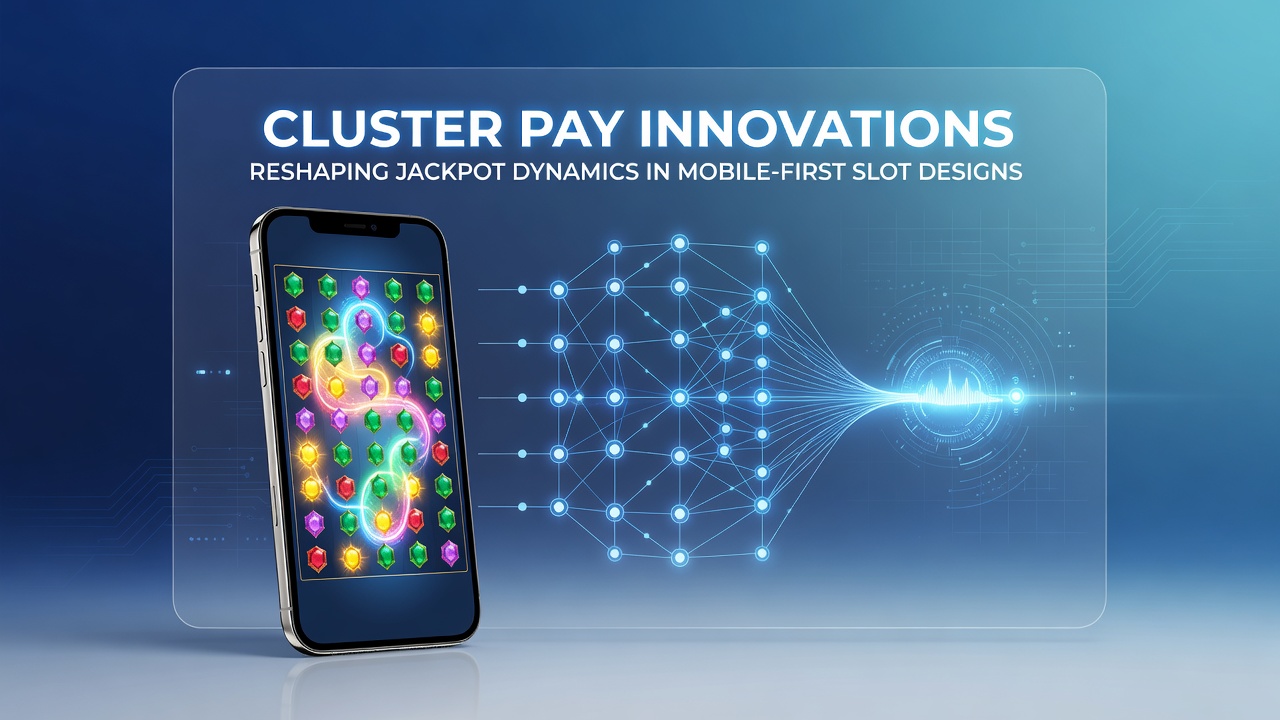
What's notable is the way cluster pays enable variable volatility within a single game, because small clusters deliver frequent base wins while rare mega-clusters trigger the top progressive tier. This dual-layer structure suits mobile play patterns where users often engage in brief sessions yet still chase substantial prizes. Experts tracking European markets report that operators in regulated jurisdictions outside the UK saw cluster progressive games capture 41 percent of new player deposits during summer 2026 testing periods.
Data Patterns and Player Behavior Shifts
Analytics platforms tracking millions of spins demonstrate that cluster pay titles produce more consistent jackpot contributions per hour than traditional formats, largely because every spin carries potential for multiple cluster evaluations. A 2025 academic paper from the Canadian Centre for Gaming Research found that players on cluster mobile games placed 19 percent more spins before reaching typical loss limits, extending overall session value. Developers respond by embedding real-time jackpot trackers that update after each cluster resolution, keeping mobile users informed without additional screen navigation. These systems also support regional currency displays and localized prize pools, allowing operators in Australia and parts of Asia to run tailored progressive events alongside global ones.
Future Development Trends in Cluster Jackpot Design
Engineers continue refining cluster detection algorithms to handle overlapping groups that can trigger cascading effects, and each cascade adds further entries into linked jackpot pools. Mobile hardware improvements in processing speed now support 60-frame animations during cluster explosions, making the visual payoff more immediate on phones and tablets. Regulatory bodies in several jurisdictions have begun reviewing how cluster-based randomness testing differs from line-based certification, prompting studios to publish transparent probability tables that detail cluster size distributions. One study released in mid-2026 by an independent testing lab showed that cluster games maintain return-to-player percentages within 0.3 percent variance of their line-based counterparts when jackpot contributions are excluded from calculations.
Conclusion
Cluster pay innovations continue reshaping jackpot dynamics by aligning prize triggers with mobile interaction patterns and enabling faster, more flexible progressive accumulation. Developers integrate adjacency rules, cascading sequences, and touch-responsive meters to maintain engagement across shorter sessions, while data from multiple regions confirms sustained growth in both player participation and contribution volumes. As hardware and regulatory frameworks evolve, cluster systems are positioned to remain central to mobile-first slot architecture through the remainder of 2026 and beyond.