Charting Soundtrack Layers in Digital Reels: How Audio Layers Shift Player Focus During Extended Sessions
Written by Ben Butler · Aug 7, 2026
Charting Soundtrack Layers in Digital Reels: How Audio Layers Shift Player Focus During Extended Sessions
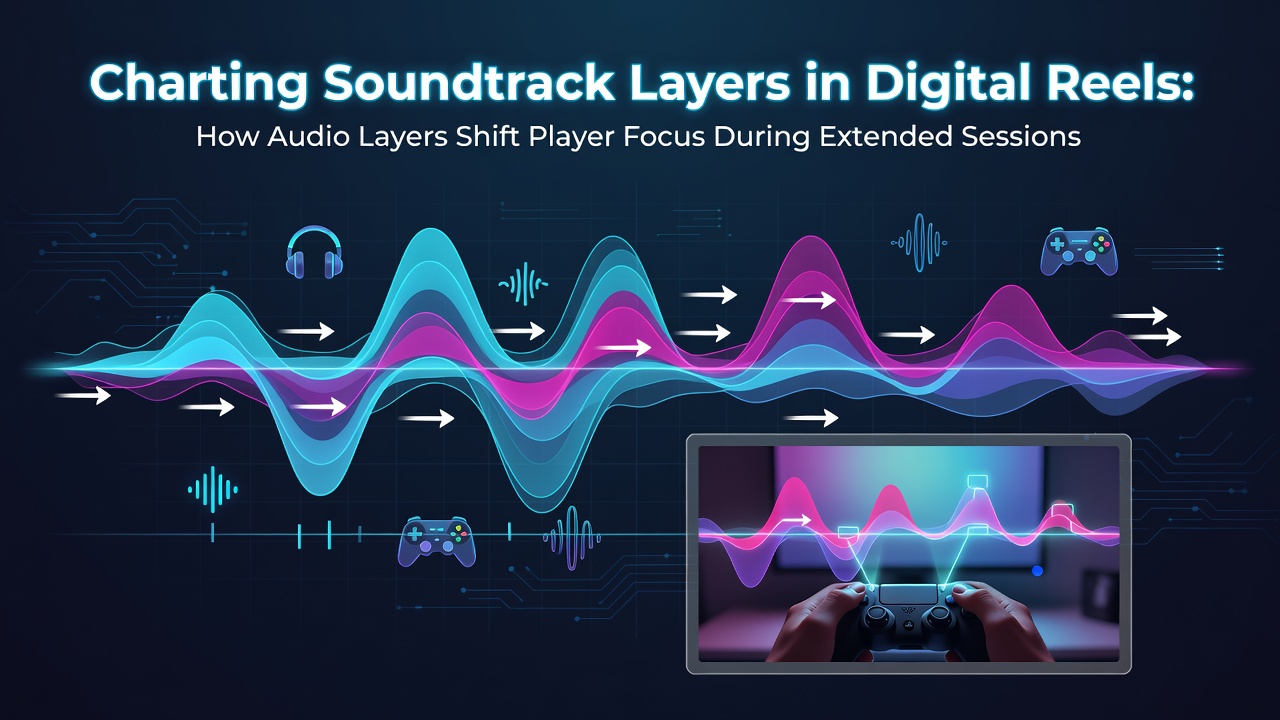
Digital slot machines rely on carefully constructed audio tracks that build through multiple layers, and researchers have documented how these elements guide attention across long play periods. Sound designers stack baseline rhythms with escalating melodic lines, percussive hits tied to reel stops, and atmospheric pads that intensify during bonus modes. Data from gaming psychology studies indicate players maintain engagement longer when these layers activate in sequence rather than remaining static throughout a session.
Layer Construction in Modern Reel Software
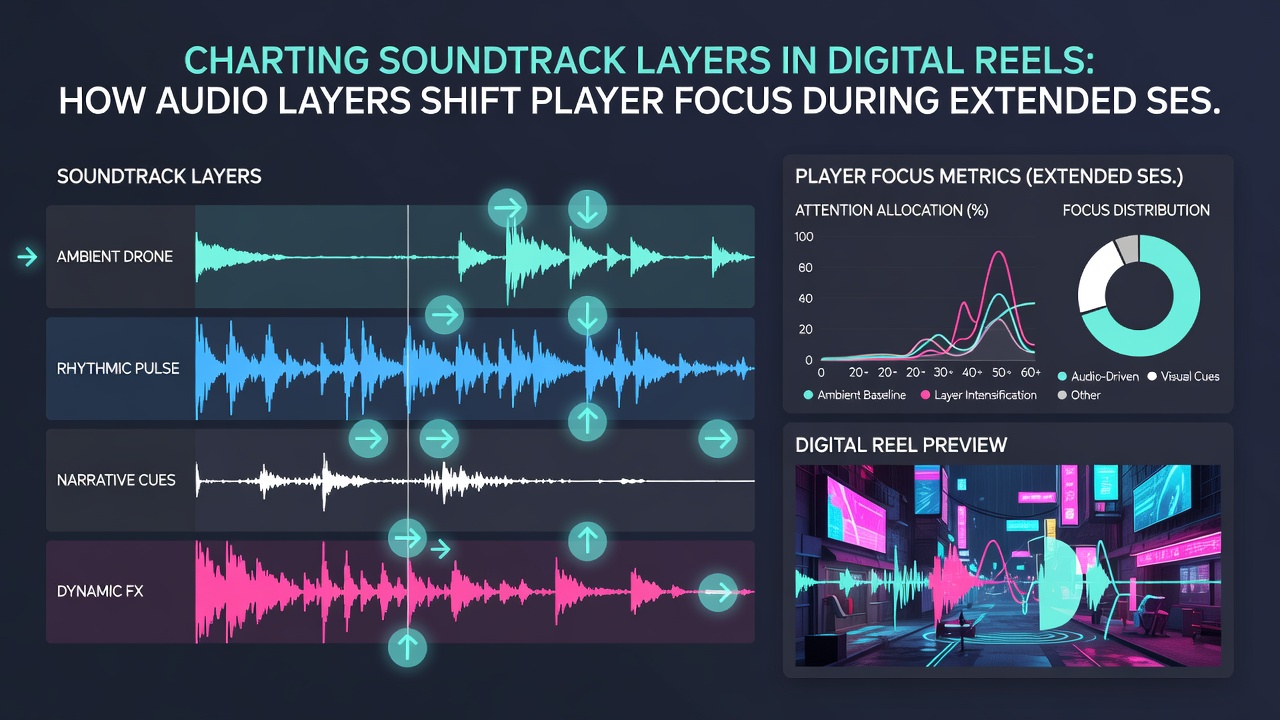
Developers program audio engines to respond to reel outcomes and session duration, so the opening spins often feature sparse instrumentation while later spins introduce fuller orchestration. A 2025 industry report from the European Gaming and Amusement Association detailed how slot titles released that year incorporated up to seven simultaneous audio stems, each triggered by specific events such as symbol combinations or meter progress. Observers note that low-volume ambient tracks occupy the background during base game play, whereas high-frequency stingers and rising arpeggios accompany near-miss sequences or expanding wilds.
Audio middleware tools allow real-time mixing adjustments based on player metrics collected by the game client. When session length exceeds thirty minutes, many platforms raise the prominence of tension-building elements while reducing repetitive loop volume to prevent habituation. Figures released in August 2026 by the Australian Institute of Family Studies showed measurable shifts in reported focus levels among participants exposed to adaptive versus fixed soundscapes during controlled two-hour trials.
Attention Modulation Across Extended Play
Multiple studies track how layered soundtracks redirect cognitive resources away from external distractions and toward the screen. Early-session minimal layers allow players to settle into rhythm without overload, yet subsequent additions coincide with increased heart-rate variability and sustained gaze duration according to eye-tracking research conducted at several North American university laboratories. Those who've examined session logs report that players encountering sudden layer swells after forty-five minutes demonstrate quicker response times to new reel features compared with control groups using constant audio.
Slot titles scheduled for wider release in late 2026 integrate biometric feedback loops in test environments, adjusting layer intensity when idle periods lengthen. Evidence suggests such systems reduce reported fatigue markers while preserving the perception of escalating excitement. What's notable is the way percussive accents on winning combinations create micro-rewards that reinforce continued attention even when net returns remain modest over hundreds of spins.
Regional Research Findings on Audio Influence
Investigators in Canada published findings in early 2026 examining how progressive layer activation correlates with session extension among frequent players. Their analysis of anonymized telemetry from over 200,000 sessions revealed that titles employing four or more dynamic stems retained users an average of eighteen minutes longer than comparable games with static mixes. Similar patterns appear in data gathered by the New Zealand Department of Internal Affairs, where researchers observed that atmospheric pads fading in during bonus rounds coincided with reduced tab-switching behavior on mobile devices.
Engineers continue refining stem transitions to avoid abrupt volume spikes that might break immersion. Smooth crossfades between layers, often calibrated to reel deceleration timing, help maintain flow. Those studying player telemetry note that titles lacking such calibration show higher rates of early exits once initial novelty subsides.
Future Developments in Adaptive Audio Systems
Software updates planned for 2027 aim to incorporate machine-learning models that predict optimal layer timing based on individual play patterns. Early prototypes tested by several major studios already demonstrate the capacity to lower certain frequency bands when prolonged play coincides with slower decision-making intervals. According to preliminary results shared at the 2026 International Conference on Gaming Innovation, these adjustments correlate with steadier engagement curves across multi-hour sessions without altering mathematical return profiles.
Regulatory bodies outside the UK continue monitoring these audio innovations alongside broader responsible gaming tools. Data collected through voluntary player surveys in multiple jurisdictions indicate that many users remain unaware of the layered architecture yet report stronger overall satisfaction when sound evolves gradually rather than remaining uniform.
Conclusion
Soundtrack layering in digital reels functions as a dynamic system that responds to both game events and session progression. Research compiled through 2026 demonstrates consistent patterns where sequential audio additions help sustain attention across extended periods. As developers refine these techniques with data-driven tools, the relationship between audio architecture and player focus continues to evolve within the broader landscape of online entertainment software.