Charting Multiplier Layering Techniques That Extend Play Cycles in Licensed Digital Reel Platforms
Written by Ben Butler · Nov 2, 2026
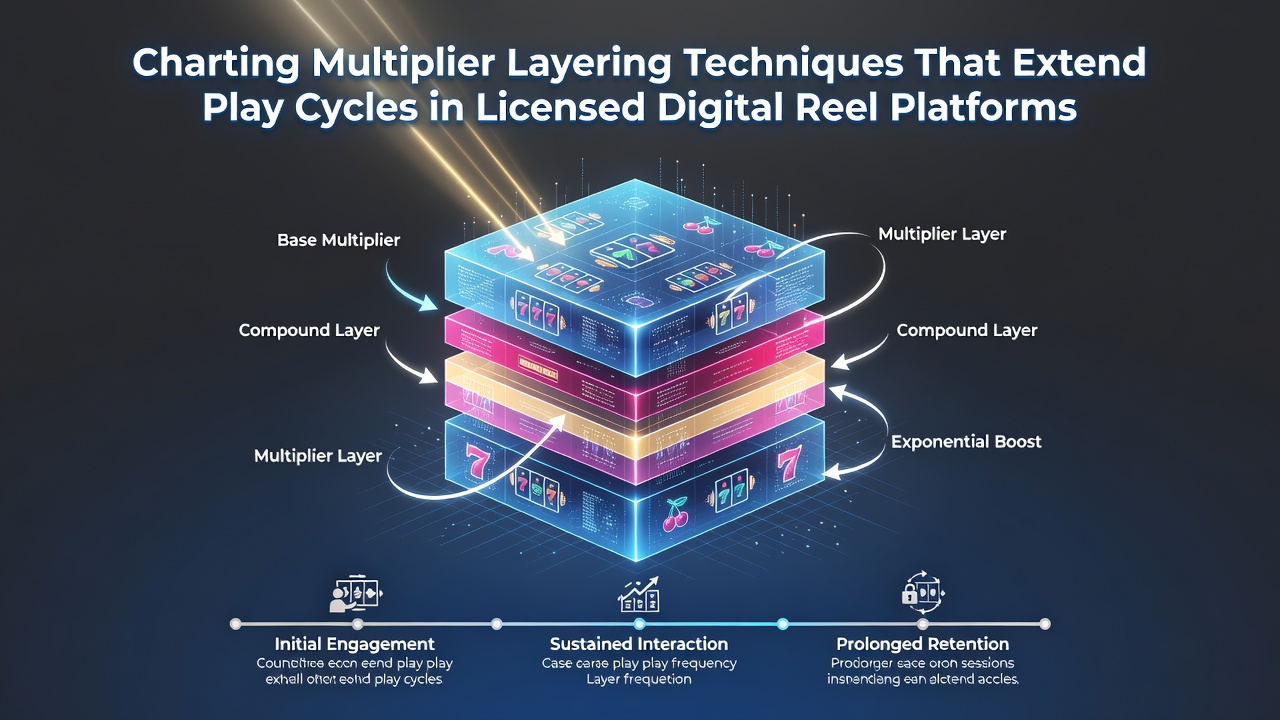
Charting Multiplier Layering Techniques That Extend Play Cycles in Licensed Digital Reel Platforms
Multiplier layering combines sequential boosts across base game spins and bonus rounds, and operators in licensed markets track these mechanics through certified random number generators that maintain compliance with regional standards. Data from the Nevada Gaming Control Board shows steady adoption of such features across digital platforms in 2026, where layered multipliers appear in titles that trigger repeated reel evaluations without resetting the session meter.
Platforms achieve layering by applying multipliers in stages, first on individual symbols then on entire reel sets, while a secondary layer activates during cascades or chained wins. This structure keeps the play cycle active because each new multiplier calculation feeds into the next spin sequence rather than ending the round outright. Researchers at the University of Nevada Reno documented similar patterns in a 2025 industry report that examined session duration metrics across multiple jurisdictions.
Core Mechanics Behind Layered Multipliers
Developers program base multipliers that stack when specific symbol combinations land in succession, and the system applies an additional multiplier when a bonus meter fills during the same sequence. Licensed software must log every calculation step for audit purposes, which explains why platforms display running totals on screen so players can follow the progression. Figures from the Canadian Gaming Association indicate that games with visible layering layers record higher average spins per session compared to single-multiplier titles.
One common approach uses persistent multipliers that carry over from one spin to the next until a reset condition occurs, while another method resets only the top layer and preserves lower values for continued play. Both approaches extend cycles because the player remains engaged through incremental increases rather than abrupt stops. Observers note that platforms in Australia and the EU have integrated these systems into certified games that undergo regular testing by independent labs.
Integration With Reel Dynamics and Bonus Structures
Digital reels incorporate layering by linking multiplier values to reel positions or wild substitutions, and the game engine recalculates totals after each cascade or tumble. This creates extended sequences where one successful spin feeds the next without requiring a new bet placement. Industry reports from the European Gaming and Betting Association highlight that such mechanics appear more frequently in games released after 2024, coinciding wth hardware upgrades that support real-time multiplier tracking.
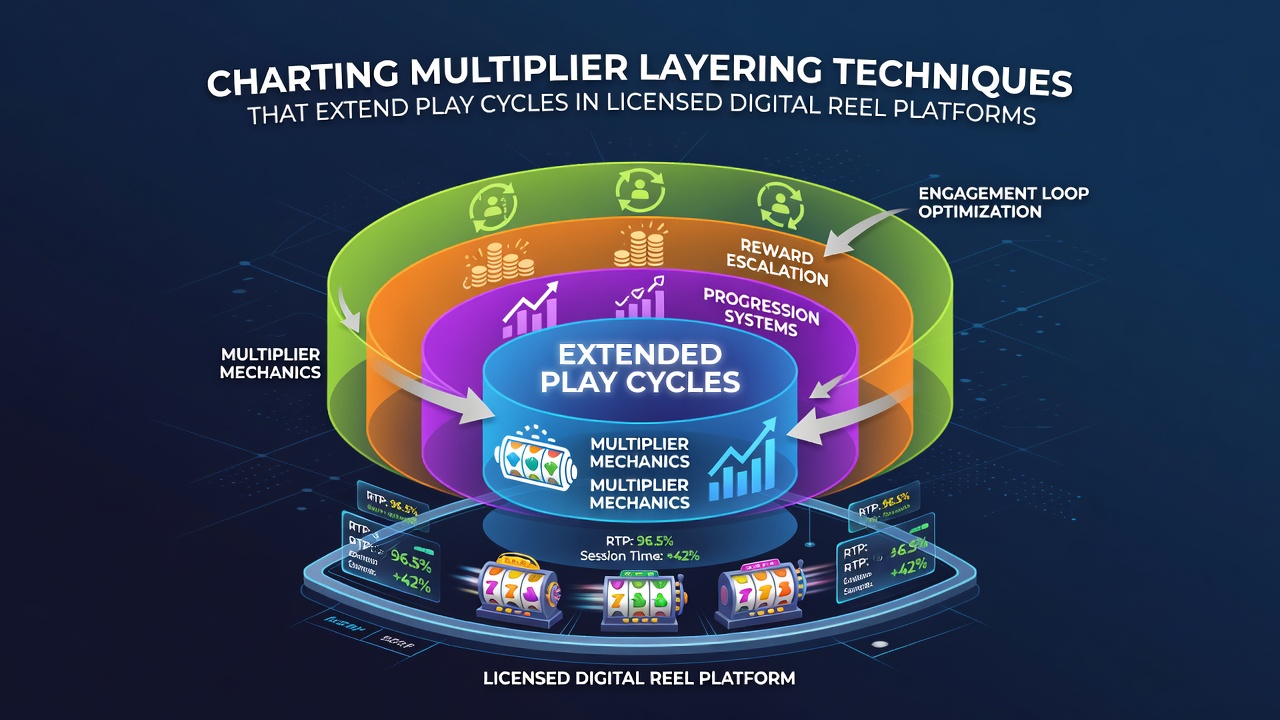
Bonus rounds often serve as the primary site for deep layering, where an initial free spin multiplier combines with collection meters that add further boosts on subsequent triggers. The process continues until the round concludes, yet the accumulated values sometimes transfer back to the base game for additional cycles. Data compiled through November 2026 shows platforms adjusting these transfers to align with updated licensing requirements in multiple regions.
Session Extension Patterns Across Licensed Markets
Play cycle length increases when layering prevents immediate return to the stake selection screen, and operators monitor these patterns through aggregated telemetry that excludes personal player data. The Australian Communications and Media Authority has published guidelines requiring clear disclosure of multiplier behavior so participants understand how layers interact before engaging. Sessions that incorporate three or more active layers demonstrate extended durations according to aggregated reports from North American testing facilities.
Platforms also apply layering across linked progressive elements, where a multiplier on one machine influences the shared prize pool calculation for connected terminals. This cross-machine approach maintains momentum because each contribution updates the visible total without interrupting individual play. Those who study certified systems note that November 2026 updates to interoperability standards in certain markets have encouraged further refinement of these shared layering features.
Regulatory Compliance and Technical Verification
Licensed platforms must submit multiplier algorithms for third-party review before deployment, and testing houses verify that layering does not alter the certified return-to-player percentage. The process involves simulating thousands of spins to confirm that stacked values align with disclosed probabilities. Reports from the New Jersey Division of Gaming Enforcement detail how regulators examine edge cases where multiple layers activate simultaneously to ensure consistent outcomes.
Software updates in late 2026 have introduced dynamic layering that adjusts based on reel state rather than fixed sequences, yet these changes still require pre-approval in each operating jurisdiction. Such adaptations allow platforms to maintain compliance while offering varied multiplier experiences across different game libraries.
Conclusion
Multiplier layering techniques continue to shape session structures on licensed digital reel platforms through sequential stacking and persistent values that connect individual spins into longer cycles. Regulatory bodies across regions enforce verification protocols that keep these mechanics transparent and aligned with certified standards, while industry data tracks their influence on average play duration without referencing individual outcomes.